Professional sanitation and food safety professionals in Brampton support restaurants, food centers, bakeries, warehouses, and mobile food services staying compliant. They sanitize high-contact points, food contact areas, equipment, floors, drains, restrooms, and food handling spaces using certified products, maintaining proper ratios, and documenting contact times. You need regular sanitation based on hazard level, food throughput, allergens, and regulatory assessments, along with documented proof backing HACCP, audits, and public health compliance. The sections below outlines how effective cleaning systems must contain.
Main Points
- Brampton food safety cleaning experts maintain restaurants, grocery departments, commissaries, warehouses, bakeries, schools, mobile vendors, and allergen-sensitive operations.
- Cross-contamination avoidance is ensured by treating high-touch surfaces, food-contact equipment, kitchens, floors, drains, restrooms, and storage areas with area-specific procedures.
- Proper chemical concentration, suitability, and exposure duration are verified by approved vendors, with completion recorded via samples, assessments, and corrective-action records.
- Effective sanitation schedules factor in danger, production volume, changeovers, accidents, and regulations when distributing daily, periodic, and periodic operations by section.
- Liability, color-categorized instruments, HACCP, sanitation understanding, WHMIS education, testimonials, and assessment-ready hygiene files are essential supplier characteristics.
Food Safety Cleaning Requirements for Brampton Establishments
Brampton operations that process, store, prepare, package, or distribute food require sanitation protocols. Implement it if your facility is subject to public health inspections, food codes, or HACCP requirements. The mandate covers dining establishments, employee cafes, food distributors, market sections, meat shops, fish counters, local shops, and commercial kitchens.
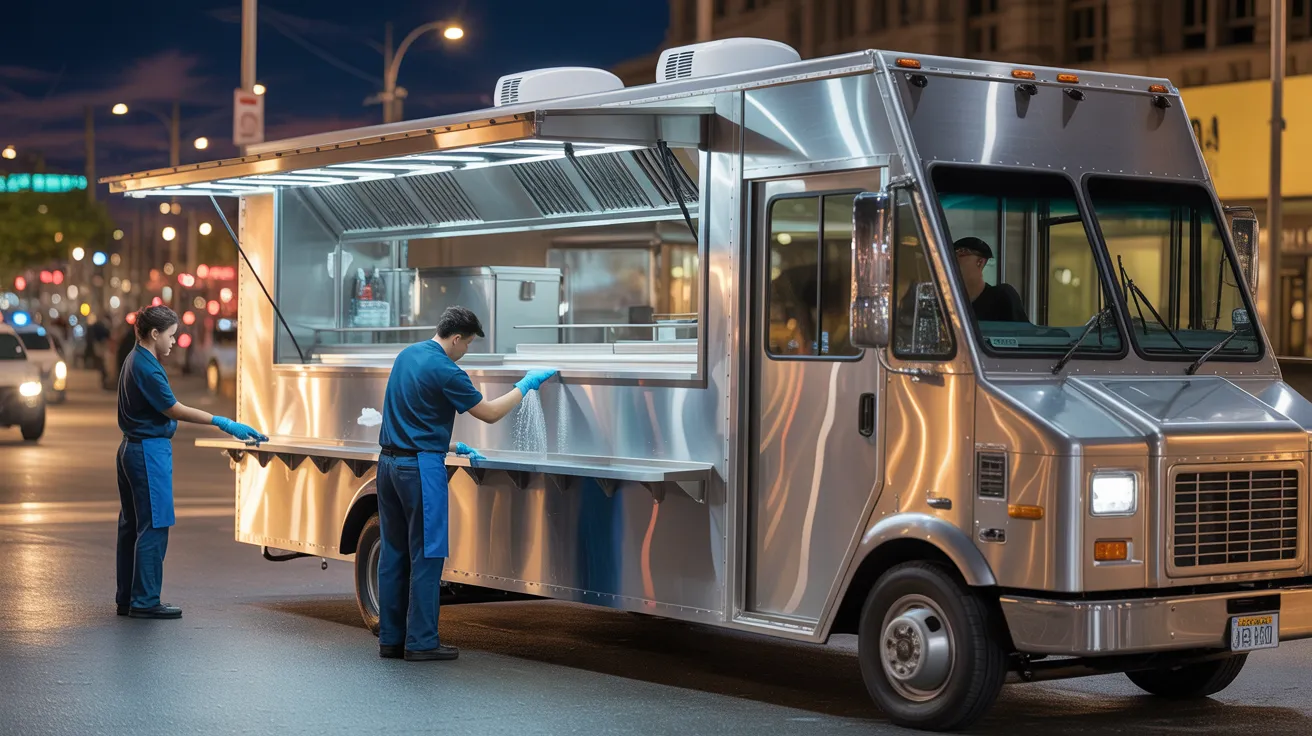
Adherent hygiene cleaning is furthermore required in distribution centers, processing facilities, refrigerated storage, commercial bakeries, school meal programs, event venues, and delivery services. Mobile and temporary establishments matter too, such as mobile kitchens, market vendors, and seasonal booths. Your venue needs documented cleaning protocols when your employees handle raw materials, divide prepared foods, warm meals, or maintain allergen storage. In Brampton, sanitation remains not voluntary; it constitutes statutory, functional, and public health standards.
What Do Brampton Cleaning Professionals Handle?
Your operation needs cleaning professionals who sanitize all high-touch areas, kitchens, all floor types, and restrooms for food safety and health code adherence. These zones receive attention due to their elevated cross-contamination potential, trip and slip dangers, and breaches of sanitation codes.
When you know their cleaning scope, you can verify that your facility's cleaning scope meets compliance and operational standards.
High-Touch Surface Sanitizing
establish how periodically each area is cleaned
if findings fall outside target thresholds. Furthermore, they avoid contamination spread via rotating cloths, implementing one-way workflows
Food Prep Areas, Flooring, and Sanitary Facilities
Brampton cleaning professionals will address kitchens, floors, and restrooms since each space presents separate food safety concerns, injury, and community health challenges. In industrial kitchens, you need degreasing on cook lines, equipment exteriors, drains, prep surfaces, and splash zones to reduce contamination and pest pressure.
Floor care that is recorded should also be anticipated. Technicians clean and remove buildup from grout, tile, and vinyl flooring, then apply appropriate drying controls so you can reduce slip incidents and maintain code-compliant conditions. They also handle entryways where moisture and debris migrate indoors.
In restrooms, cleaners treat touchpoints, fixtures, partitions, dispensers, and waste containers then refill supplies and eliminate odor. They also maintain restaurant cleaning supply rooms where product storage, sink cleanliness, and drain systems impact daily sanitation standards and worker protection.
Food Safety Cleaning Significance for Brampton Businesses
To adhere to health code requirements and pass inspections, Brampton establishments must follow appropriate cleaning protocols. You also reduce cross-contamination by cleaning and sanitizing food-contact surfaces, equipment, and high-touch areas correctly. Most importantly, you help protect public health by lowering the risk of foodborne illness in your facility.
Health Code Compliance
Since Brampton food operations must follow stringent health requirements, your hygiene maintenance directly affects your capacity to satisfy health codes, safeguard diners, and eliminate regulatory penalties. You must maintain hygienic food handling zones, recorded sanitation plans, safe chemical management, and traceable training practices that comply with municipal and provincial inspection expectations.
Should your cleaning standards deteriorate, you face violations, corrective orders, reputational harm, and possible interruption to service during subsequent audits or regulatory reviews.
Contamination Prevention
Adhering to regulatory guidelines requires your expertise in stopping cross-contamination throughout daily food handling and cleaning. You need to separate raw ingredients from ready-to-eat foods, sanitize work stations after each task, and store cleaning supplies separately from food. Organized systems minimize contamination events and ensure consistent compliance during inspections.
You could implement allergen segregation to stop main allergens from reaching common areas, containers, or machinery. Apply separate boards, color-marked equipment, and strict utensil labeling so staff don't mix items during preparation or service. Enforce washing hands following uncooked meat, fish, egg products, or allergens. Change wiping cloths regularly, and check sanitizer strength with test strips. When employees learn these procedures every shift, you create a cleaner, safer operation that meets Brampton's food safety expectations every day.
Public Wellness Protection
When food safety cleaning fails, you don't just face inspection failure—you increase the chance of foodborne illness impacting customers, staff, and the wider Brampton community. You also undermine your responsibility in protecting public health, especially in busy food facilities where pathogens travel quickly through surfaces, equipment, and touchpoints.
You require sanitation systems that remove contaminants, disinfect appropriately, and confirm results. This involves maintaining contact periods, selecting approved disinfectants, documenting procedures, and educating staff to satisfy health-unit expectations. These controls promote pathogen control by decreasing microbial counts before contaminating food or hands. Throughout Brampton, strong cleaning safeguards susceptible populations, minimizes disease potential, and demonstrates accountability. When you adhere to standards, you go beyond requirements—you mitigate risk and facilitate secure food handling throughout the area.
In What Ways Does Cleaning Help Achieve Food Safety Compliance?
Adopting strict sanitation practices underpins food safety compliance by decreasing contamination threats, controlling pathogen growth, and keeping your facility aligned with sanitation requirements under HACCP-based programs and public health regulations. You ensure that food-contact surfaces stay visibly clean and microbiologically controlled, backing documented preventive controls and inspection readiness.
Rigorous cleaning standards also enhance allergen control by clearing residues that can lead to undeclared allergen exposure.
Establishing When to Arrange Commercial Cleaning
You'll find the best results from cleaning schedules that account for risk levels, output volume, and legal mandates rather than a static calendar system alone.
You should also schedule periodic tasks separately
Selecting the Right Brampton Cleaning Experts: Key Considerations
Start by screening providers against food-safe sanitation requirements, not price alone. You should verify that each company understands CFIA, public health, and HACCP-aligned expectations relevant to your facility. Ask for insurance documentation, WHMIS compliance, documented staff training, and supervision practices. Review whether technicians understand cross-contamination risks, chemical handling, and traceable sanitation records.
You should also assess business dependability and responsibility. Request references from Brampton food businesses, then examine turnaround periods, corrective-action procedures, and communication standards. Confirm the company participates in supplier audits and can present audit-ready records when regulators or third parties request evidence. Check whether equipment maintenance is performed, color-coded implements are used appropriately, and facility-specific risks are recognized. A competent service protects compliance, product quality, and your brand reputation.
What's covered in a sanitation cleaning strategy?
Put together a written program that clarifies every sanitation duty, standard, and accountability ahead of production commencement. You should specify cleaning frequencies, approved chemicals, dilution rates, contact times, tools, and verification methods for each sector, surface, and equipment. Make sure to include pre-operational inspections, corrective actions, and employee training requirements.
Your plan should also focus on cross-contamination controls, waste handling, pest-prevention measures, and documented schedules for rest areas, drains, flooring, and food-contact surfaces. Describe how you'll keep raw and ready-to-eat processes separate, support ingredient tracking, and maintain accurate allergen labeling through validated cleaning between product changes. You should set accountability, maintain signed records, and assess results against regulatory standards, HACCP controls, and customer requirements. When gaps appear, modify procedures immediately and instruct staff.
Regular Asked Inquiries
Can sanitation providers accommodate overnight shifts in Brampton properties?
If you operate controlled facilities, you'll also need documentation that support inspections and maintain compliance.
Can sanitation professionals handle emergency spill response?
Yes, you can expect Brampton cleaning experts who offer emergency spill response solutions. They handle contamination, evaluate dangers, isolate affected areas, and begin swift cleanup to reduce exposure and prevent business interruption. jump in You should confirm response times, professional credentials, PPE protocols, and disposal procedures. If your facility must meet regulatory requirements, choose a provider that documents incidents, maintains regulatory procedures, and supports audit readiness.
Are green disinfectants appropriate for food preparation areas?
In essence, natural disinfectants are safe for food-handling equipment provided you buy disinfectants approved for food contact that satisfy regulatory compliant. Verify exposure duration, dilution ratios, and rinse requirements prior to application. Plant-derived products minimize chemical hazards, although you should obtain evidence of effectiveness against specific pathogens. To preserve residue-free conditions, implement precise manufacturer instructions and confirm the disinfectant meets relevant food safety standards.
Will cleaning schedules adapt to seasonal production changes?
Without question, cleaning plans adapt well for seasonal variations. Modify timing, labor allocation, chemicals, and validation steps to fit seasonal patterns while sustaining compliance standards. Minimize operational delays by scheduling cleaning amid line changes, maximum output, and usage cycles. Also update procedural documents, employee training, and facility monitoring to reflect transient threats, emerging allergens, or higher contamination levels. Ongoing evaluations preserve the strategy functional.
Do professional cleaning services educate staff on hygiene standards?
Indeed, commercial cleaning providers typically provide employee coaching on sanitation best practices. Your staff receives training on proper chemical use, contact times, preventing cross-contamination, equipment breakdown, and record-keeping. They generally adhere to training with HACCP, GMP, and CFIA or regional health standards requirements. Many also execute sanitation audits to verify compliance, reveal issues, and reinforce corrective actions. This supports you in maintain consistent procedures, achieve compliance, and reduce food safety risks each day.
Final Thoughts
By collaborating with Brampton food safety and commercial cleaning professionals, you aren't simply tidying—you keep your operation compliance-focused and your standards in compliance. From production areas to kitchen zones, every sanitized surface and organized space reduces pest risk and prevents costly issues. By scheduling cleanings on the right schedule and following a documented cleaning plan, you protect staff members, customers, and your standing. In a heavily controlled environment, clean spaces must be prioritized—they're essential to successful operations.